Introduction
Tysoe Parish Council has developed a mowing strategy with support from Tysoe-based Prof Rosemary Collier OBE. The strategy was most recently approved on 10th November 2025.
This new approach is fully in line with the advice on Verge Management in the Local Nature Recovery Strategy to be found here, which is written by Rosemary and colleagues.
The main advantages are boosting biodiversity, giving council contractors clear guidelines, and potentially resolving challenges from ‘No Mow May’.
Rationale
‘No Mow May’ has been a great rallying call for action and highlighting the issue of biodiversity but alone is of limited practical value to wildlife, including:
- Cutting mowing frequency down to 15 or 12 times per year is unlikely to yield much wildlife benefit.
- As for biodiversity, a period without mowing during May alone is likely to show little benefit compared with avoiding mowing until at least the end of June (Hemmings et al., 2021).
This is not practical along some of the narrower roadside verges in Tysoe, where visibility needs to be maintained. Grass cuttings also need to be removed to reduce fertility of the soil. Dealing with longer grass cuttings is difficult, due to the increased labour costs, the need for a disposal site and the importance of keeping the roads and paths clear
of long cuttings for safety.
So, rather than adopting ‘No Mow May’ across most of our verges, a more valuable approach would be to increase the number of areas to be managed for much richer biodiversity, whilst continuing to regularly mow those amenity areas or narrower verges where this would be impractical.
Some areas have already been ‘adopted’ by neighbouring residents who encourage native wildflowers.
Maybe other residents could be encouraged to do this too?
Proposal – Manage the areas below for wildlife. Cut the remainder of the verges approximately fortnightly during the growing season, including through May. In addition, possibly strim the sharp corner on the junction of the Tysoe Road with the Straight Mile (opposite Greenside) and at the entrance to Badger’s Lane in late summer, where mowing alone has not been enough to prevent longer wildflowers from the ditch dropping forward and reducing visibility.
School Lane Verge
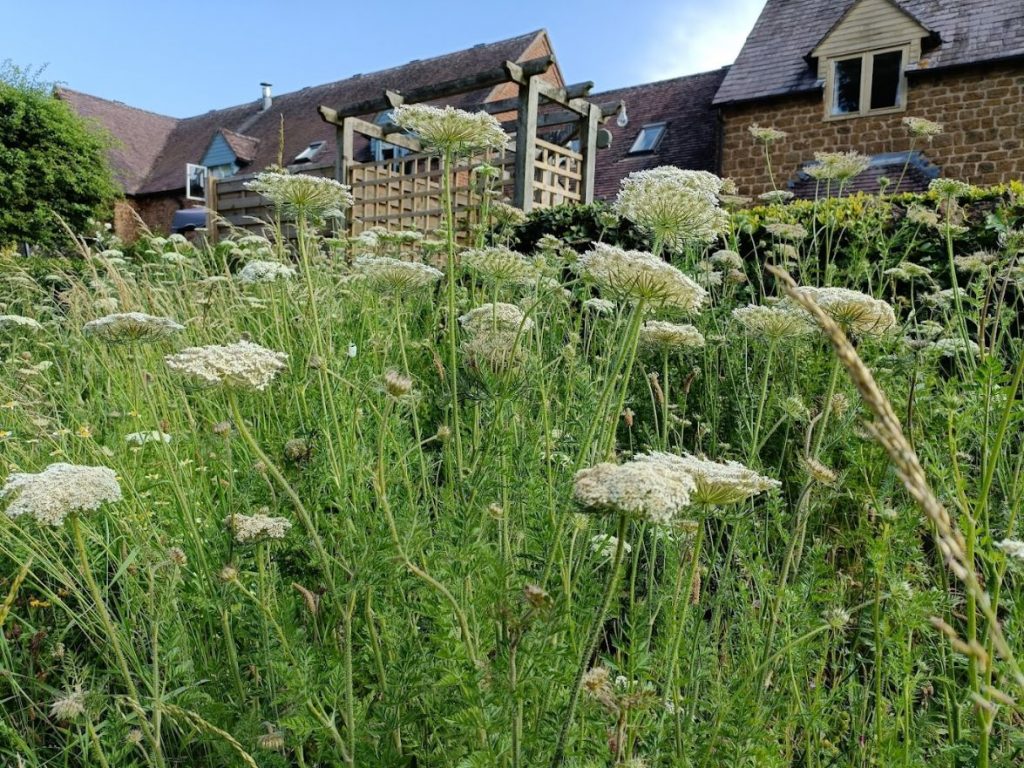
Management – Continue to manage as a traditional hay meadow, cutting twice a year
Cut times – Mow once in spring – at the time that all the verges are mown for the first
time – ideally before April. Second mow should be any time after late August to allow seeds to drop. Ideally cut vegetation should be removed.
Notes/Actions – This area continues to improve in biodiversity year-on-year.
Northern Margins of the Lower Recreation Field
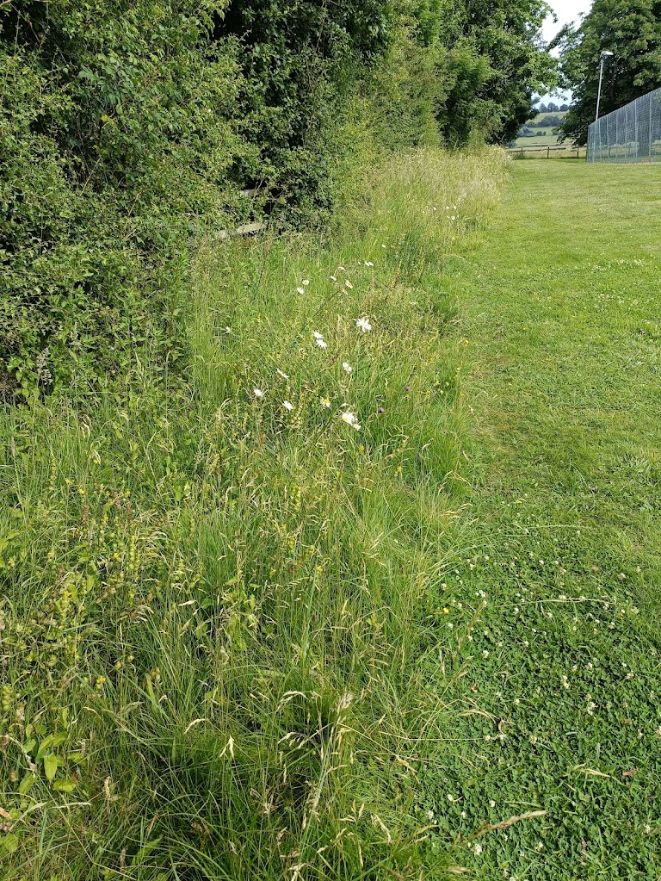
Management – Manage as a traditional hay meadow, cutting twice a year
Cut times – Mow once in spring – at the time that all the verges are mown for the first
time – ideally before April. Second mow should be any time after late August to allow seeds to drop. Ideally cut vegetation should be removed.
Notes/Actions – The edges running behind the zipwire continue to improve in biodiversity year-on year.
Northern Margins of the Upper Football Field (slightly raised bank from the seat (level with tree) to the gate, keeping front of gate clear)
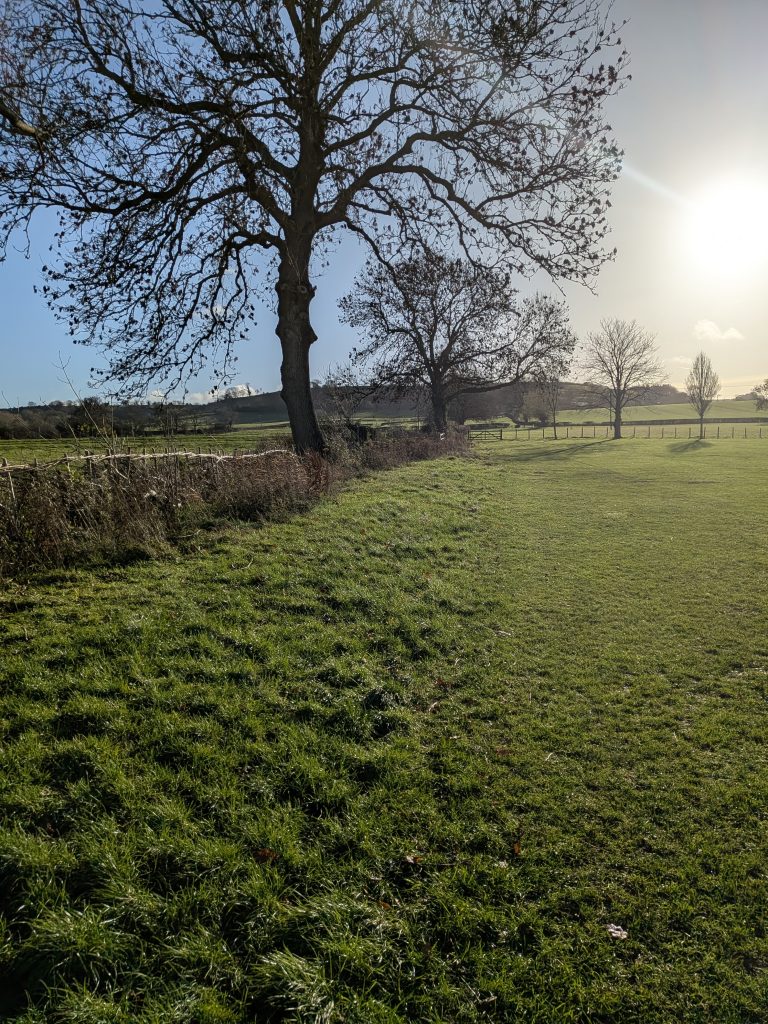
Management – Manage as a traditional hay meadow, cutting twice a year
Cut times – Mow once in spring – at the time that all the verges are mown for the first
time – ideally before April. Second mow should be any time after late August to allow seeds to drop. Ideally cut vegetation should be removed.
Notes/Actions – This area continues to improve in biodiversity year-on-year.
Eastern Margins of the Upper Football Field (all along back of field keeping gate clear)
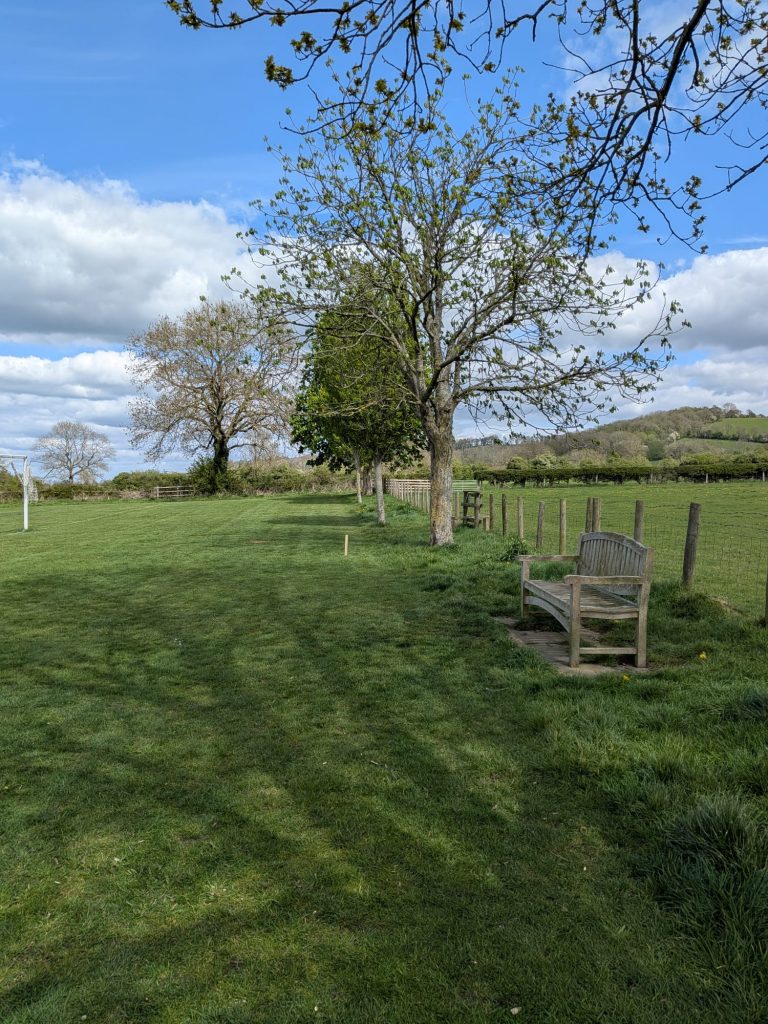
Management – Manage as a traditional hay meadow, cutting twice a year
Cut times – Mow once in spring – at the time that all the verges are mown for the first
time – ideally before April. Second mow should be any time after late August to allow seeds to drop. Ideally cut vegetation should be removed.
Notes/Actions – This area continues to improve in biodiversity year-on-year.
Greens to the Front of St Mary’s Church
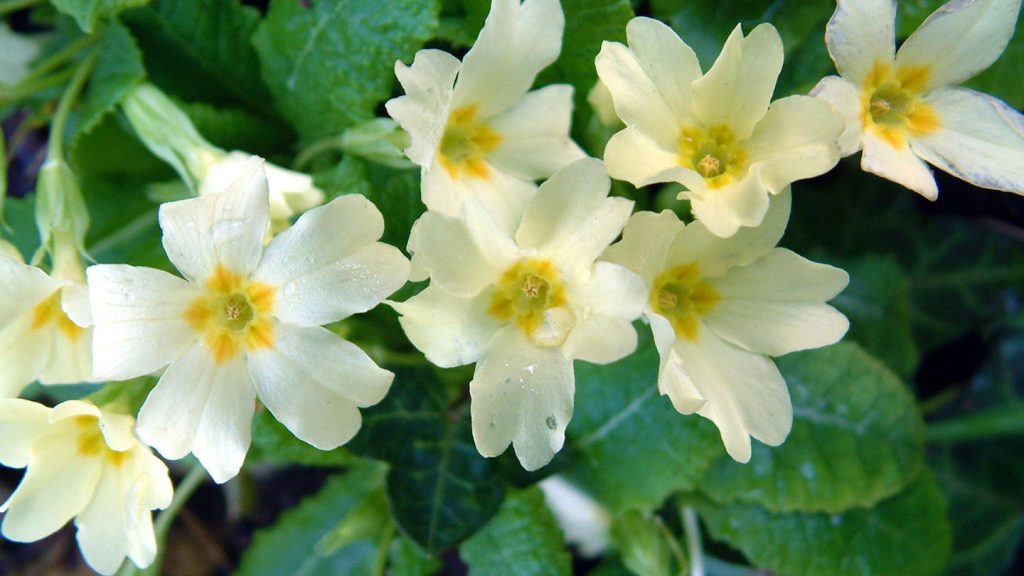
Management – As now, mow regularly, but encourage primroses.
Cut times – As now, initially in the season mow around primroses, then mow whole area regularly once they have died back.
Notes/Actions – None at present.
Sandpits Triangle
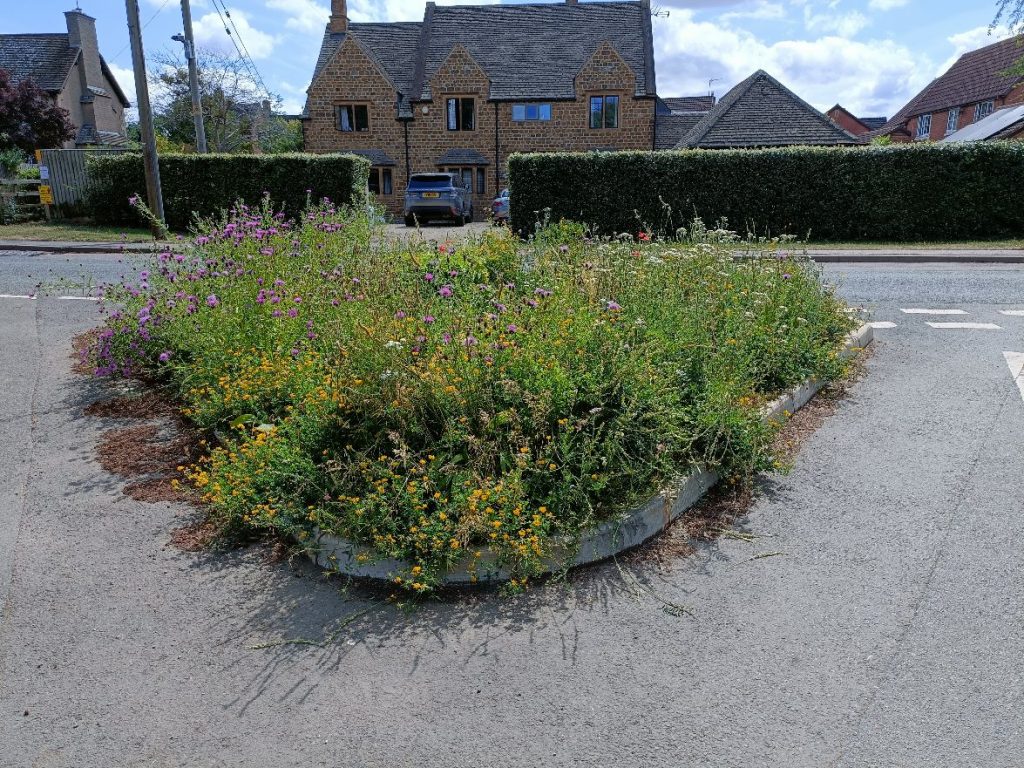
Management – Manage for a high concentration of shorter, colourful wildflowers for seasonal interest and pollinators, including snowdrops, maintain traffic visibility.
Cut times – RC to cut back once seeds have set. RC will then strim the area to ground
level and snowdrops should appear followed by new season’s flowers.
Notes/Actions – Explain that flowers need to be left long enough after flowering to drop their seeds, which will result in some ‘messiness’ in Autumn but is a necessary part of the natural cycle.
Badger’s Lane Corner
Management – Reinstate area on corner nearest to ‘The Willows’, around tree. Encourage violets.
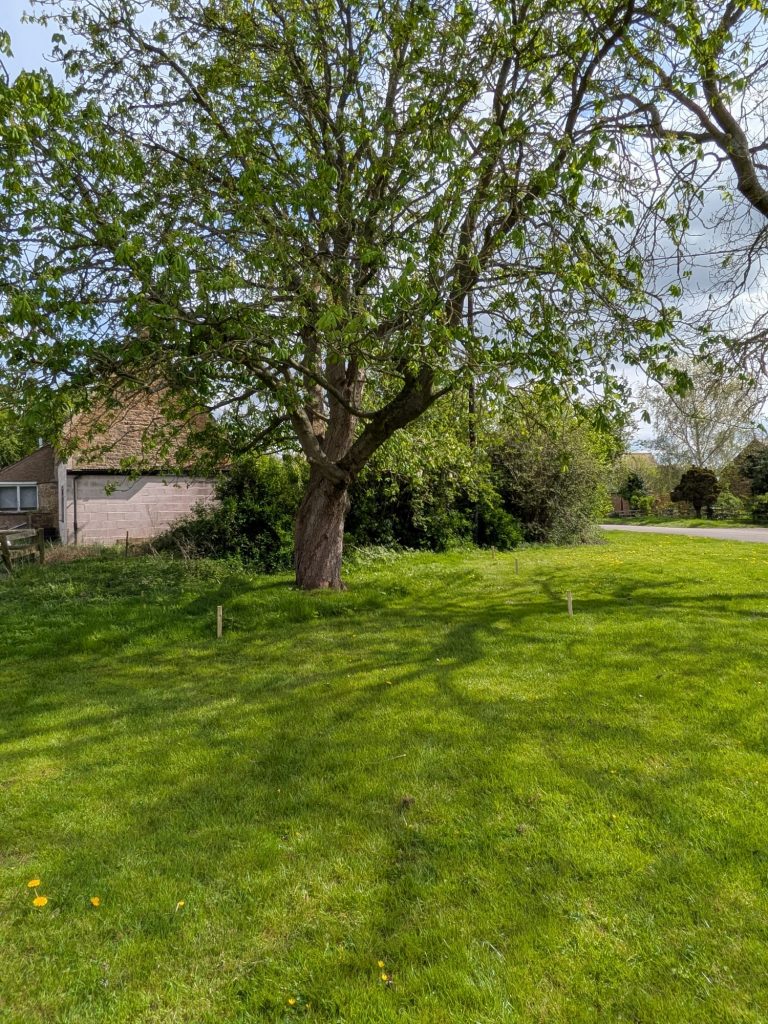
Cut times – Inside demarcated area, mow once in spring – at the time that all the verges
are mown for the first time – ideally before April. Second mow should be any time after
late August to allow seeds to drop.
Notes/Actions – RC to re-mark. Encourage involvement of residents of Badgers Lane.
Entrance to Poolgate
Management – In addition to crocuses for spring interest, manage area to the rear for wildflowers.
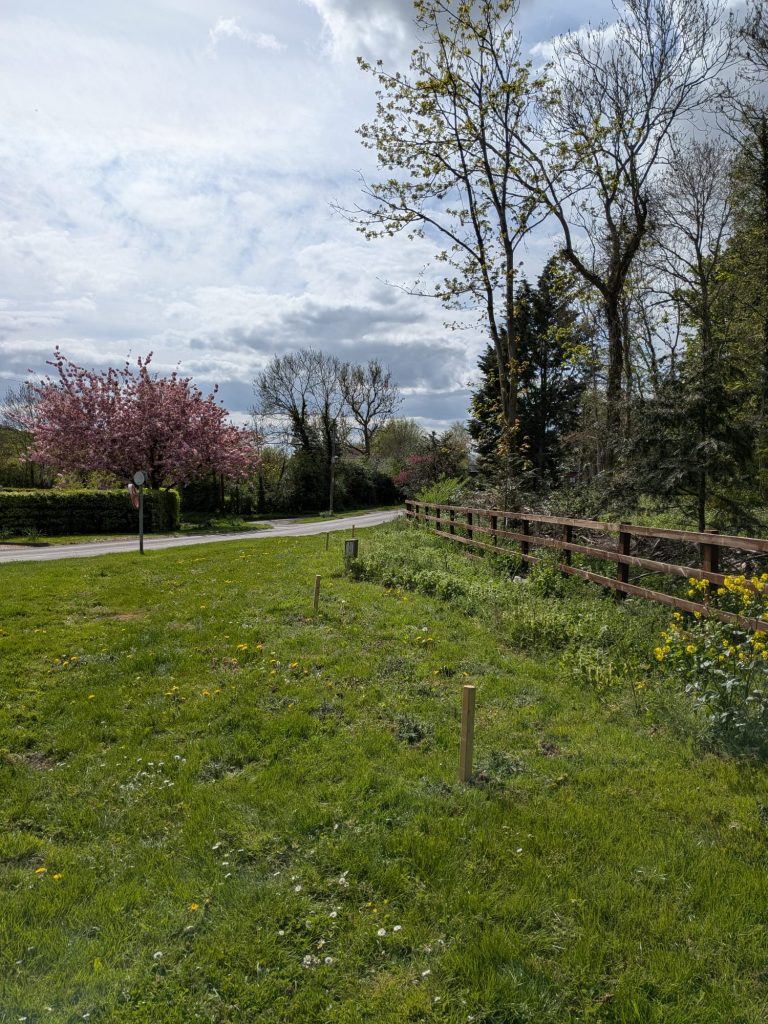
Cut times – Mow front of the area regularly for visibility and to frame the area. To the rear, in demarcated zone, mow once in spring – at the time that all the verges are mown for the first time – ideally before April. Second mow should be any time after late August to allow seeds to drop. Ideally cut vegetation should be removed.
Notes/Actions – RC and councillors to mark out new area. Sow wildflower seeds. Monitor. Encourage involvement of residents of Poolgate/Smarts Lane area.
Junction of Main Street and Old Tree Lane
Management – Create a new Wildflower area, probably behind the Mulberry Tree. Mow the edges to frame and define the area.
Cut times – Mow front of the area regularly for visibility and to frame the area. To the rear, in demarcated zone, mow once in spring – at the time that all the verges are mown for the first time – ideally before April. Second mow should be any time after late August to allow seeds to drop. Ideally cut vegetation should be removed.
Notes/Actions – RC and councillors to mark out new area. Sow wildflower seeds. Monitor. Encourage involvement of neighbouring residents
Verge in Front of Herberts Farm/ Happy Herefords
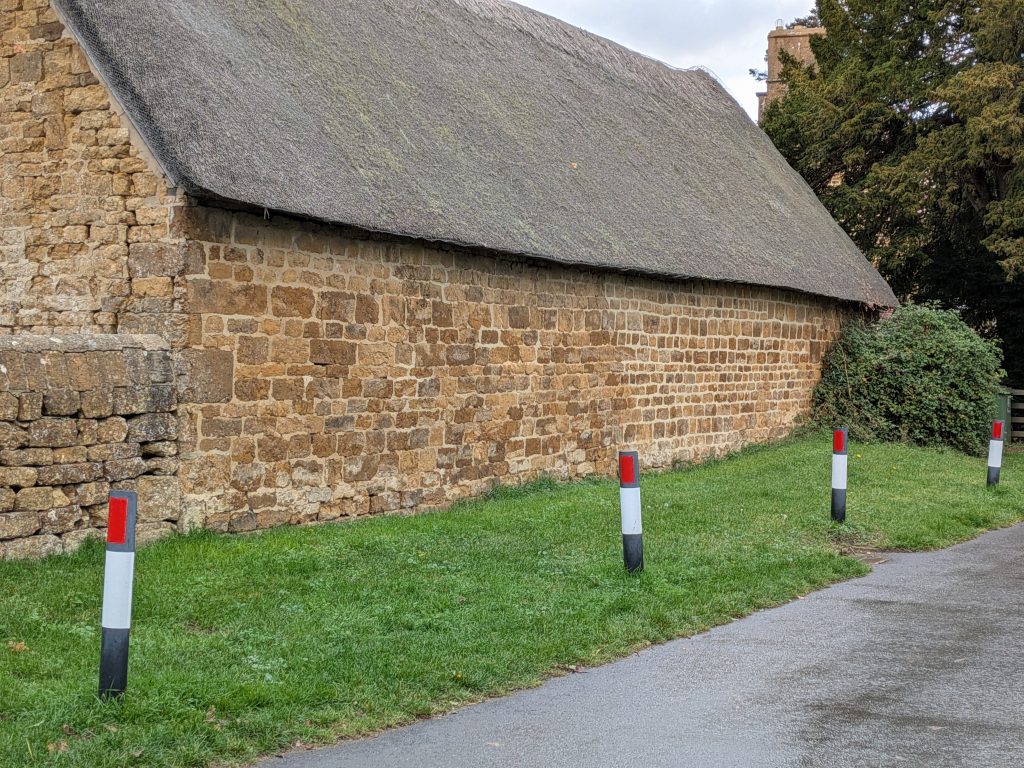
Management – Planted with Daffodils
Cut times – As now, initially cut around daffodils, until they have died back.
Notes/Actions – None at present.
Bank alongside Orchard House, Back Lane
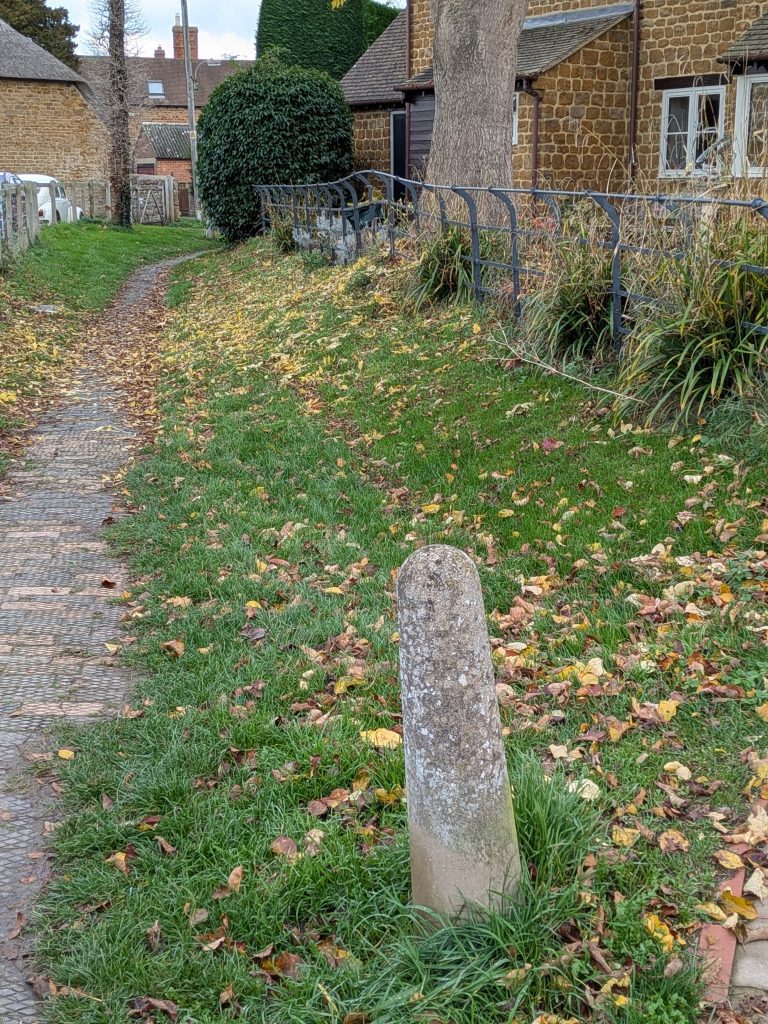
Management – Managed by local residents
Cut times – As now, mow according to the signs placed by local residents
Notes/Actions – None at present.
Verge in front of Dinsdale Cottage
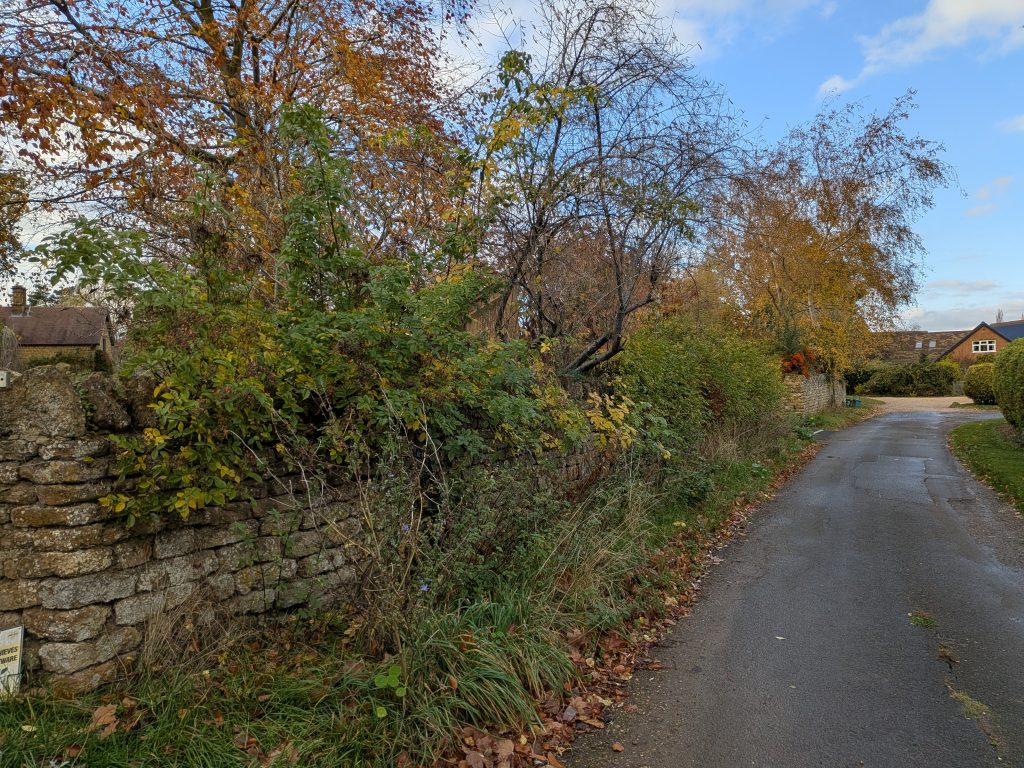
Management – Managed by local resident
Cut times – As now, mow according to the signs placed by local resident
Notes/Actions – None at present.
Possible Wildflower Areas/Actions to consider later
The council is aware of other areas within the parish which in due course may require attention, including:
- Wide verges on the top of Lane End – the PC does not mow these though, local residents do. At the bottom of Lane End, residents have planted wildflowers and do maintain.
- Back edge of Village Green in front of Beechen Tree House, along the wall, possibly native wildflower mix or native poppies?
- Verges at the top of Smart’s Lane
- Strengthen Cowslips along the Oxhill Road (potential Local Wildlife Site and LNRS Area of Potential for the Improvement of Biodiversity)
- Encourage native bluebells on A422 and Radway Turn Road (potential Local Wildlife Site and LNRS Area of Potential for the Improvement of Biodiversity)
- At village entrances – wildflower mix, possibly with ‘showier’ flowers too.